
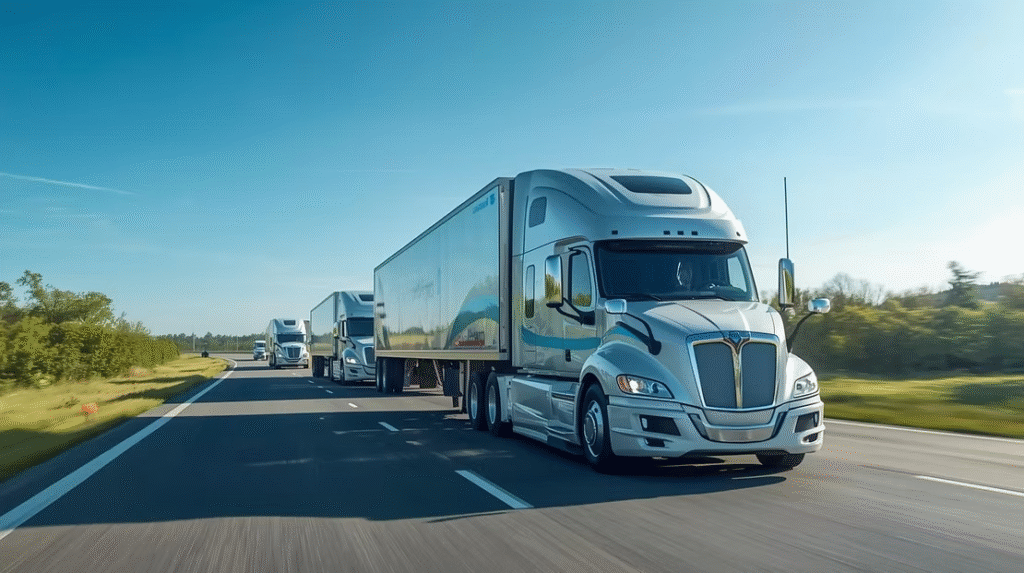
Decarbonization of transport in Latvia is developing in the passenger car sector, electric cars are becoming increasingly popular, however, the next challenge is heavy transport and the entire ecosystem necessary for the transition to sustainable mobility.
“The process of replacing passenger cars is progressing well in Latvia, with electric cars increasingly being introduced. We have participated in organizing major marketing campaigns to promote the mobilization of electric cars in the passenger car sector. The heavy vehicle sector has so far remained neglected, and the European Commission now plans to pay increased attention to it. The most important point in Latvia is also to move the entire ecosystem forward – additional electricity generation capacity, subsidies for car purchases and the development of charging infrastructure. This is a complex work to strengthen the entire electric car ecosystem.” Adds Armands Gūtmanis, member of the board of Amber Advisory.
On 24 June, a discussion entitled “Beyond Cars: Driving a sustainable and competitive European automotive ecosystem” took place in Brussels, where industry representatives, politicians and experts discussed how Europe can ensure a sustainable and competitive automotive sector. The discussion confirmed that the automotive industry is no longer just about cars, it is an entire ecosystem that encompasses innovation, supply chains, infrastructure and social justice.
One of the main conclusions is that electrification is an important direction, but it cannot be the only answer. Heavy commercial vehicles, logistics and municipal vehicles also require other solutions, such as renewable energy sources and hydrogen technologies. Some manufacturers in the sector are already ready for this, such as Volvo, Scania, Mercedes-Benz, Renault Trucks and others, offering a wide range of zero-emission vehicles, while municipal vehicle manufacturers are also actively introducing electric street sweepers or waste collectors.
The main unanswered question of the discussion remained about infrastructure. Charging stations and hydrogen refueling networks are developing too slowly to keep up with the availability of technology. If the public and private sectors do not invest, there is a high risk that a sustainable transition will remain only on paper.
The exchange of views also highlighted the importance of regulation and the circular economy. For example, new rules on end-of-life vehicles include stricter recycling requirements and a greater focus on component reuse. The tyre industry also calls for clear criteria to ensure efficient recycling within Europe.
The main unanswered question of the discussion remained about infrastructure. Charging stations and hydrogen refueling networks are developing too slowly to keep up with the availability of technology. If the public and private sectors do not invest, there is a high risk that a sustainable transition will remain only on paper.
The exchange of views also highlighted the importance of regulation and the circular economy. For example, new rules on end-of-life vehicles include stricter recycling requirements and a greater focus on component reuse. The tyre industry also calls for clear criteria to ensure efficient recycling within Europe.
An important aspect is the social dimension – a “just transition”. Green technologies must not make mobility inaccessible to people on low incomes or burden micro and medium-sized enterprises. That is why European policy must be based on a balance between stricter environmental objectives and practical support instruments.
This discussion showed that the future of transport will be much more than just cars. It will be a vast, connected and sustainable ecosystem that will determine not only how we move forward, but also how we will live and work in Europe for years to come.
Reference: Beyond Cars: Driving a sustainable and competitive European automotive ecosystem – PubAffairs Bruxelles (2025)