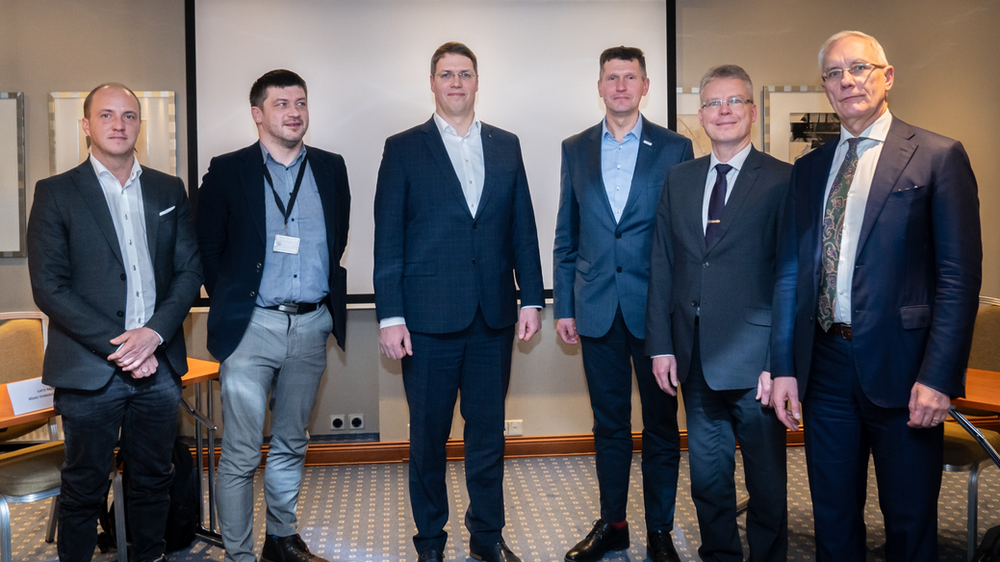
In order for Latvia to achieve energy independence as quickly and effectively as possible, all stakeholders must work together to increase the flexibility of the energy system. Various technological solutions for energy storage are critically important. This was the conclusion reached on December 7 at the conference “Energy Storage for Achieving Energy Independence and Ensuring Energy Security.”

In his opening remarks at the conference, Armands Gūtmanis, Chairman of the Board of the Latvian Climate Neutrality Cluster, emphasized that the European Union’s goal is to significantly increase its total renewable energy generation capacity by 2030.
“To a large extent, this will be achieved by developing solar and wind power, but the hydrogen sector could also become a major player. On the other hand, renewable energy sources are intermittent and dependent on weather conditions, so flexible solutions are necessary for the energy system to operate successfully,” said A. Gūtmanis.
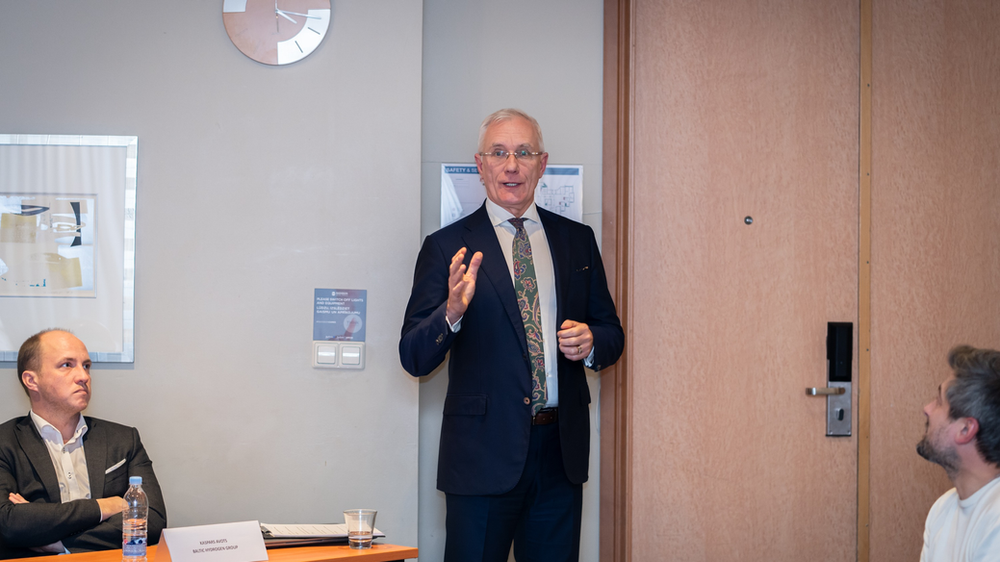
For his part, Jānis Irbe, Parliamentary Secretary of the Ministry of Climate and Energy (MCE), emphasized that the ministry is currently drafting several important pieces of legislation aimed at promoting emissions reductions, including the National Energy and Climate Plan, the Transport Energy Act, and and the Climate Act. Responding to concerns raised by business representatives, J. Irbe provided a detailed overview of the current regulatory framework governing the development of wind and solar farms. He emphasized that Europe is currently at a turning point in its sustainable transition, and the choices made today will determine its ability to achieve decarbonization goals and ensure energy independence.

Gatis Bažbauers, Vice Rector and Professor at Riga Technical University (RTU), emphasized at the conference that a comprehensive process of change is currently underway in the energy sector, with the focus shifting from a “consumption-driven” to a “supply-driven” system, which also requires greater flexibility on the consumption side.
G. Bažbauers presented conference participants with a recent study examining Latvia’s future potential for using synthetic fuels derived from “green hydrogen” and CO2 to reduce transportation emissions, including those from heavy-duty and long-haul transportation.

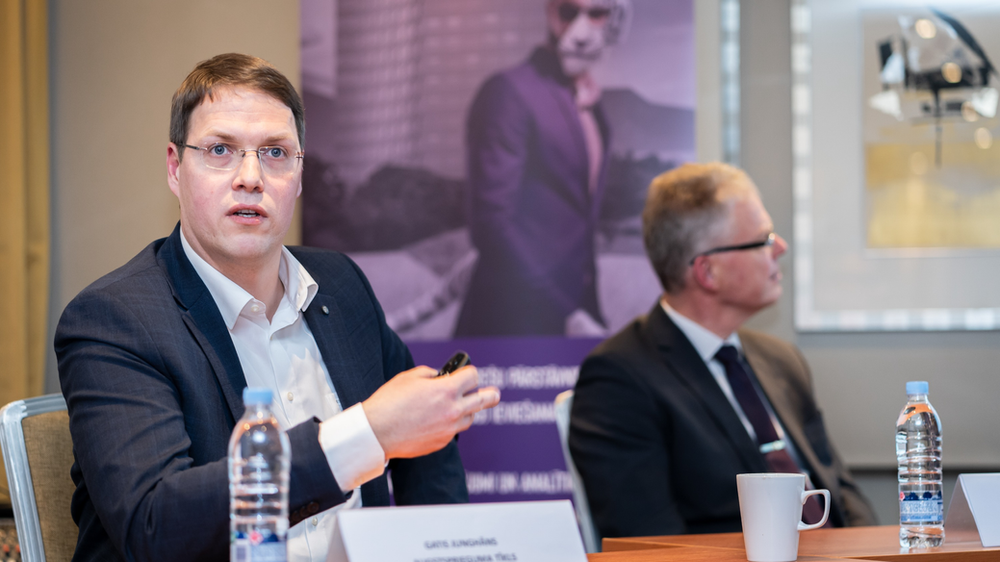
Gatis Junghāns, a member of the board of the joint-stock company “Augstsprieguma tīkls”, acknowledged that the rapid development of climate-dependent power generation poses various challenges that require solutions. At the same time, this is also a time of new opportunities for new balancing and energy storage technologies, and it allows businesses to develop new service offerings.
One of the key energy storage solutions discussed at the conference was so-called “green hydrogen,” which is produced via electrolysis using electricity generated by solar and wind power plants.
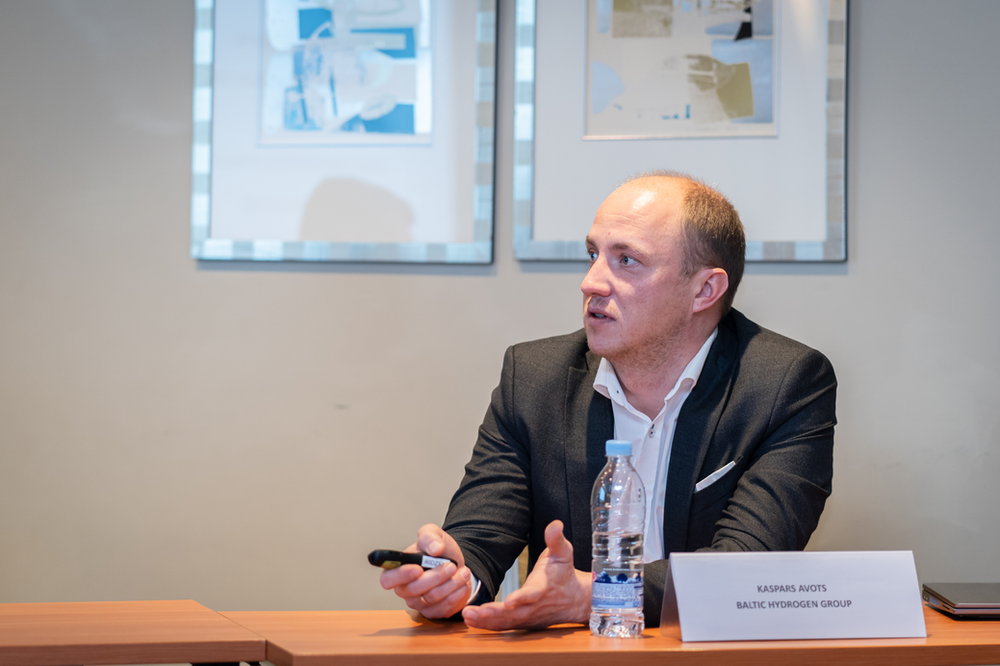
“Under near-future conditions, hydrogen is an irreplaceable element for the storage and transportation of renewable energy. It does not compete with traditional electricity transmission and battery storage. On the contrary—only by combining these technologies can we create an independent and green energy system in Latvia for all types of end use. “By using hydrogen and its derivatives, we can also facilitate the immediate export of renewable energy, which will not be constrained by the limited cross-border capacity of the power transmission system,” said Kaspars Avots, Chief Operating Officer of Baltic Hydrogen Group.
An important and noteworthy issue is the responsible planning of the recycling of technological equipment and striking the optimal balance between domestic energy storage and energy exports.
“The electrification of mobility is a reality today. And it will only continue to grow, including in Latvia. Consequently, many new challenges and opportunities are emerging. For example, how can we ensure a sustainable supply of the raw materials needed for electric vehicle batteries without becoming completely dependent on individual suppliers? What should be done with batteries at the end of their life cycle? Could Latvia find a niche in the electric mobility industry to provide its own added value?” These pressing issues were highlighted by Kaspars Kalviškis, head of Robert Bosch in the Baltic States.

The development of effective energy storage solutions could be facilitated by the proper establishment of regulations and incentives for investment. Conference participants also discussed with representatives of the Ministry of Climate and Energy the need for additional subsidies and economically justifiable favorable regulations, as well as how these issues will be reflected in the National Energy and Climate Plan.
“Since there is currently no clear leader in energy storage technologies, we must ensure diversity and accessibility of various types of energy storage to respond appropriately to both short-term and long-term needs. Thus, energy storage facilities will become another player in the energy sector, but their successful integration into various industries will require, first and foremost, cooperation across a wide range of sectors—and not necessarily direct subsidies,” summarized Gunārs Valdmanis, a representative of the Ministry of Economics and Climate (MEC).
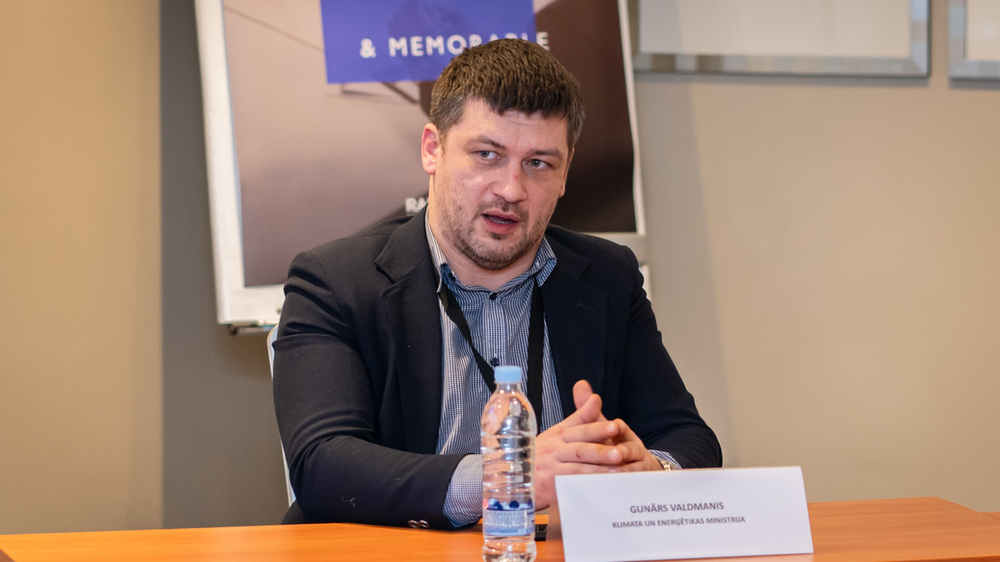
Speakers at the conference included Professor Gatis Bažbauers, Vice Rector of Riga Technical University; Gatis Junghāns, Member of the Board of AS “Augstsprieguma tīkls”; Kaspars Kalviškis, Head of “Robert Bosch” SIA for the Baltic States; Kaspars Avots, Chief Operating Officer of “Baltic Hydrogen Group”; Gunārs Valdmanis, Director of the Energy Market Department at the Ministry of Climate and Energy; and Jānis Irbe, Parliamentary Secretary at the Ministry of Climate and Energy. The conference was moderated by Armands Gūtmanis, Chairman of the Board of the Latvian Climate Neutrality Cluster.