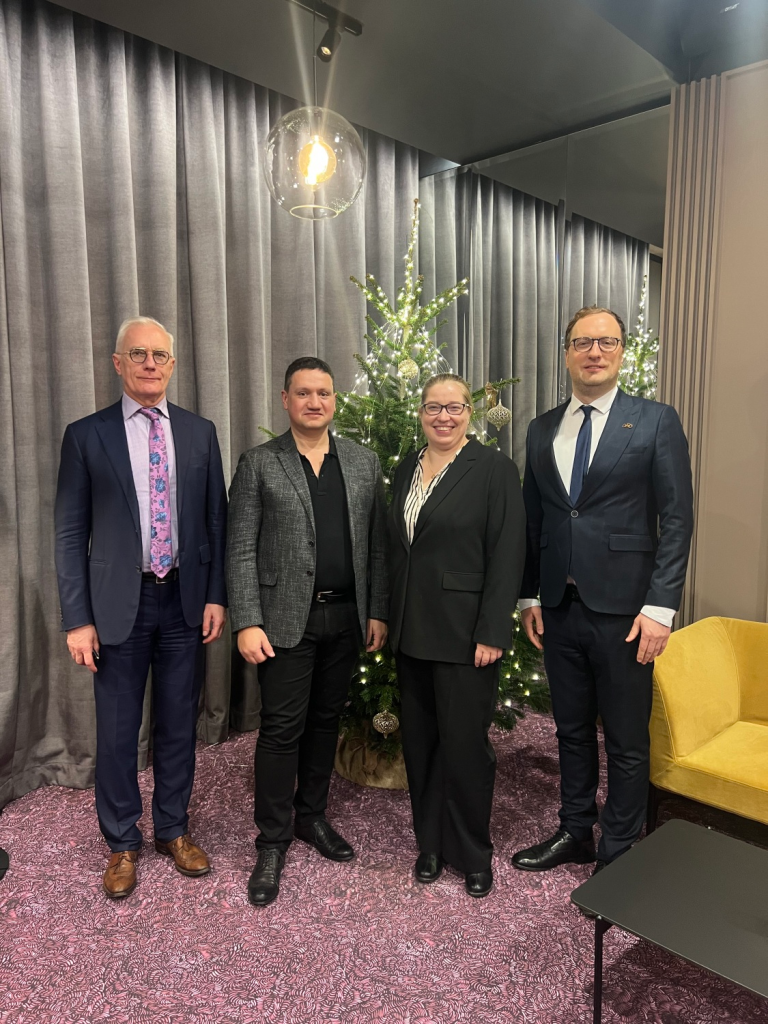
The Internet of Things network allows you to monitor various systems, such as water and electricity meters, heating control and building security sensors.
Internet of Things solutions combine low energy consumption capabilities and easy integration. Internet of Things (IoT) solutions are rapidly entering Latvian companies, which will become an important part of digital transformation in the coming years. These technological tools help optimize resources, reduce costs and offer sustainable solutions. Experts point out that it is important to evaluate the first results and effectively plan the use of European Union funds in the future.
Access to digital solutions and financing are important aspects for investing in the implementation of various technological solutions so that a company can increase its competitiveness, emphasizes Ilze Lore, Director of the Entrepreneurship Department of the Ministry of Economics.
Internet of Things solutions offer companies the opportunity to remotely monitor resources, optimize processes, and avoid the costs of manual errors, and this digital technology offers solutions that help companies improve security while creating significant cost reductions.
“The Internet of Things is not just a technological innovation – it is an economic tool that helps companies turn costs into efficiency by managing resources smarter and at lower costs,” says Kaspars Egliņš, Head of the Internet of Things Business at “Latvijas Mobilais Telefons” (LMT).
LMT’s Internet of Things network allows you to monitor various systems, such as water and electricity meters, heating control and building security sensors, which helps prevent losses and reduce expenses.
With IoT solutions, companies gain the ability to access critical data in real time and automatically identify potential problems, such as water leaks, freezing risks or flow anomalies, thus preventing major losses. Data is stored in Latvia, ensuring both fast access and compliance with the highest security standards.
Such solutions have already been successfully implemented in municipal enterprises: “Rīgas siltums”; “Valmieras ūdens”, “Mārupe komunalā saimniecība”, “Kuldīgas komunalālie pakalpojumi” and others, helping to optimize resources and reduce operating expenses.
“IoT solutions that combine low energy consumption capabilities and easy integration allow companies to achieve rapid cost savings and sustainable operations. For example, Irish Post, using IoT technology, reduced infrastructure maintenance costs, recovering investments in just nine months,” adds Ēriks Brissets, CEO of 0g Baltics.
To support the digital transformation of companies, the Ministry of Economics is offering five Recovery Fund (ANM) support programs with a total funding of 174 million euros.
“The responsiveness of companies to the purchase of technology and software, as well as the development of new products, is high. We also encourage other companies to use the opportunities provided by the ANM to increase their competitiveness,” emphasizes the Director of the Entrepreneurship Department of the Ministry of Economics.
The wider use of the Internet of Things and digital technologies not only helps companies reduce costs and strengthen competitiveness, but also contributes to achieving climate neutrality goals. “Digital technologies significantly reduce emissions and contribute to limiting climate change. They are used as a means to reduce carbon footprint by promoting sustainable infrastructure, such as green data centers,” says Armands Gūtmanis, Head of the Swiss Chamber of Commerce in Latvia.
He adds that by 2050, digital technologies could reduce emissions by 20% in the energy, materials and mobility sectors, making them a key ally in achieving climate neutrality.