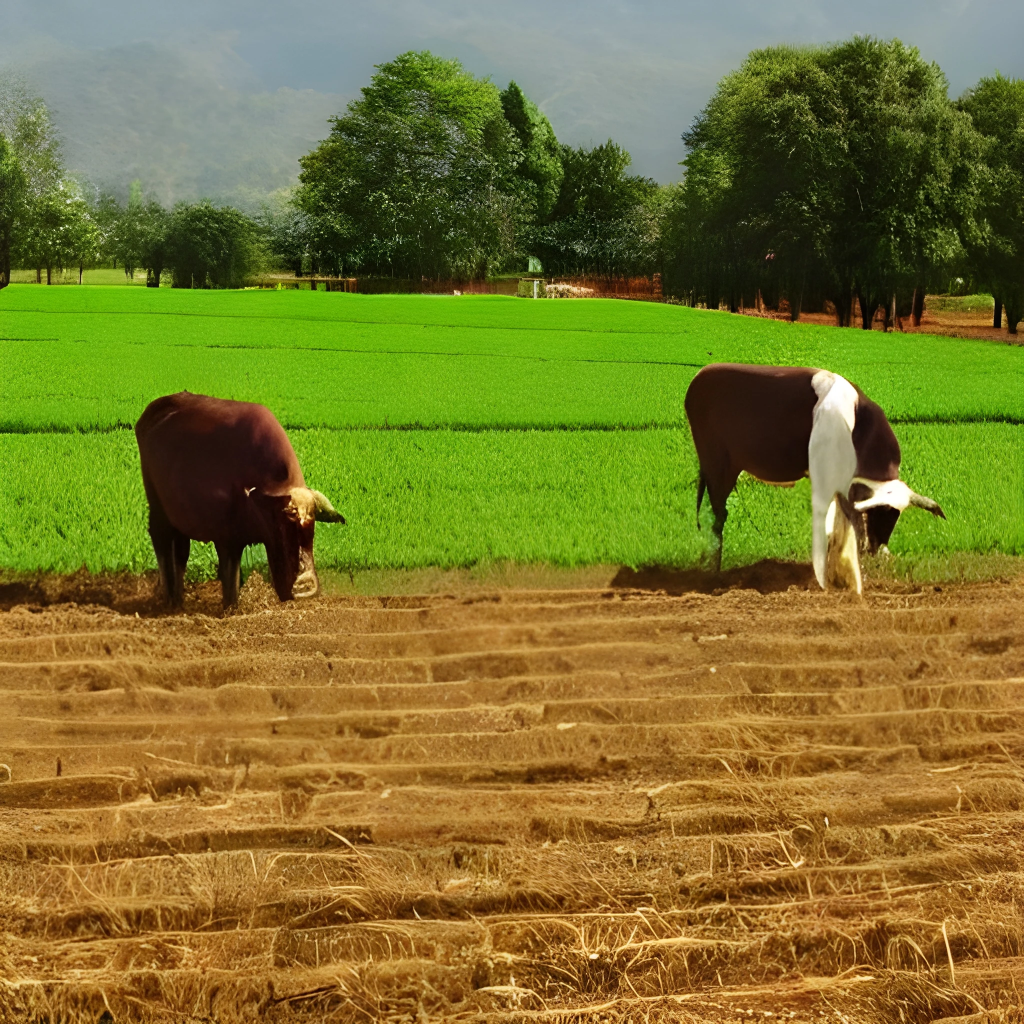
Although it is well known that agriculture is one of the major emitters of greenhouse gases, implementing sustainability principles in this sector is more complex than in many others. The goals set by the European Union — reducing pesticide use, expanding organic farming areas, improving animal welfare, and significantly reforming forestry — are ambitious and will require substantial investment as well as overcoming resistance.
This winter’s exceptionally high gas prices have already led to a drastic reduction in fertilizer production within the European Union. As a result, the risk has increased that farmers will be unable to purchase and use the necessary amount of fertilizer for spring sowing, which could have negative consequences when harvesting in the autumn.
Therefore, introducing sustainability and climate policy requirements in agriculture is a task that must be approached with particular care. It should not be implemented at a reckless pace, as this could lead to an excessive increase in food prices.
The so-called precision agriculture and the regular use of big data in farming enterprises are tools that are increasingly taking root in Latvian farms as well. However, like all new technologies, these also require substantial initial investment — yet they help farmers operate more efficiently in the future.
European funds will provide farmers with at least part of the necessary financing. However, the current pressure from both regulators and consumers means that Latvian farmers will not be able to avoid the gradual integration of sustainability principles into their business models.
THE EMPHASIS SHOULD BE PLACED ON IMPLEMENTING THESE CHANGES GRADUALLY AND THOUGHTFULLY.
Working with companies across different sectors, we see that the overarching principles of sustainability apply to everyone, yet each business will require its own individual sustainability plan. Agricultural enterprises should not delay developing their own sustainability strategy, and we can support this process with the experience we have accumulated.