
Article published on la.lv
Author: Mikus Ramanis, Consultant at Meta Advisory Latvia
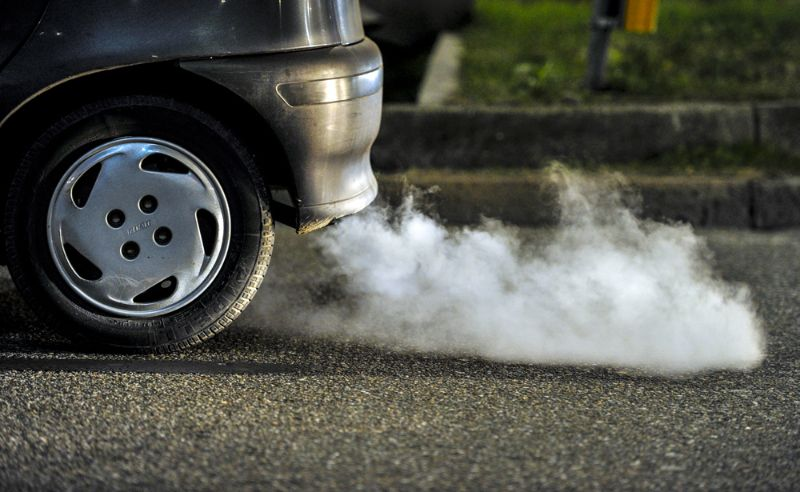
In recent years, concerns about climate change have been growing in the European Union (EU). As a result, the EU is preparing to implement more radical measures to reduce greenhouse gas (GHG) emissions, which will directly affect the transportation sector. In Latvia as well, GHG emissions from vehicles currently account for a significant portion (~30%) of total emissions. Furthermore, projections indicate that, without the implementation of additional measures, EU member states can expect an even greater increase in transportation emissions in the coming years. It can be said that changes on an unprecedented scale are expected across the entire transportation sector in the near future. Therefore, drivers and other users of transportation services must be prepared to adopt new technologies and practices.
Is the importance of private transportation expected to decline?
It is expected that the private vehicle fleet will change significantly in the future. There is no doubt that the share of electric cars will increase, as advances in battery technology are making these vehicles cheaper and more accessible to a wider segment of the population. However, it is also worth noting that the era of conventional private car use is coming to an end. People’s mindsets are changing, and with them their behavior, and alternative transportation options are becoming increasingly important.
For example, the growing popularity of car-sharing platforms shows that people’s attitudes toward personal transportation have become more flexible. This innovative approach allows everyone to access vehicles as needed, thereby reducing the need for a personal car. It should be noted that the use of public transportation is also recovering following the COVID-19 pandemic, which in the long term could become a significantly more important mode of transportation than it is today. However, in order to implement this idea, it is necessary to expand the public transportation network and make it accessible to as many residents as possible.
It is important to ensure the decarbonization of heavy-duty vehicles
Replacing the fleet of heavy-duty vehicles and buses plays a very significant role in reducing emissions from the transportation sector. For example, in Latvia today, 33% of all road transport emissions are generated by trucks and buses operating in daily traffic. Currently, these vehicles in Europe are almost entirely powered by fossil fuels, but the situation will change significantly in the near future.
For example, starting in 2030, all new buses used in urban transport in the EU will have to be zero-emission. The EU’s plans also include changes to CO2 standards for trucks. The previous standard applied to four groups of trucks, which account for 60% of annual heavy-duty vehicle sales and generate 70% of emissions. Now, many new groups have been added, including light-duty trucks, or vans.
The changes will also affect aviation and maritime transport
Reducing carbon emissions is a pressing issue not only for road transport but also for aviation and shipping. While the options in air travel are considerably more limited, sustainable aviation fuel (SAF), which has already proven its worth, offers promising prospects. Latvia’s national airline, “airBaltic,” already offers passengers a way to reduce their environmental impact during flights. This is achieved by giving everyone the option to voluntarily order sustainable aviation fuel for their flight. In April of this year, the Council of the European Union and the European Parliament reached a provisional political agreement stipulating that all fuel available to aircraft operators at EU airports must contain a minimum percentage of SAF starting in 2025 and a minimum percentage of synthetic fuel starting in 2030, with both percentages gradually increasing through 2050.
With regard to the shipping sector, it is worth noting the EU’s “FuelEU Maritime” initiative, which aims to integrate maritime transport into the EU’s 2030 and 2050 climate target trajectories. The main goal of this initiative is the gradual transition away from traditional marine fuels.
The Rise of Micromobility
In recent years, various micromobility solutions, such as electric scooters and e-bikes, have been rapidly gaining popularity both worldwide and in Latvia. These modern small vehicles provide fast, convenient, and environmentally friendly transportation without polluting the air. Their use reduces GHG emissions while also helping to combat traffic congestion on often overcrowded city streets. These innovative solutions are also changing the way we think about mobility options and helping to pave the way for a more efficient and sustainable transportation system in the future.
It is important to make maximum use of local energy resources
The effective functioning of any transportation system depends on the availability of suitable, easily accessible, and sufficient energy resources. To meet the demands of the new transportation environment, Latvia should focus more on utilizing local energy sources, as nearly all fuel is currently imported. Biomass, particularly in the form of biofuels, could play a significant role as a renewable energy source in improving this situation.
In turn, the use of locally generated wind and solar power, if managed effectively, can make a significant contribution to the operation of electric vehicles and their charging infrastructure. Prioritizing the use of these local resources will allow Latvia to reduce its dependence on imported energy and thereby promote the development of a more diverse and independent transportation system.